Why Submaximal Omnidirectional Loading Should Be in Every Athlete’s Training Plan

Why Submaximal Omnidirectional Loading Should Be in Every Athlete’s Training Plan

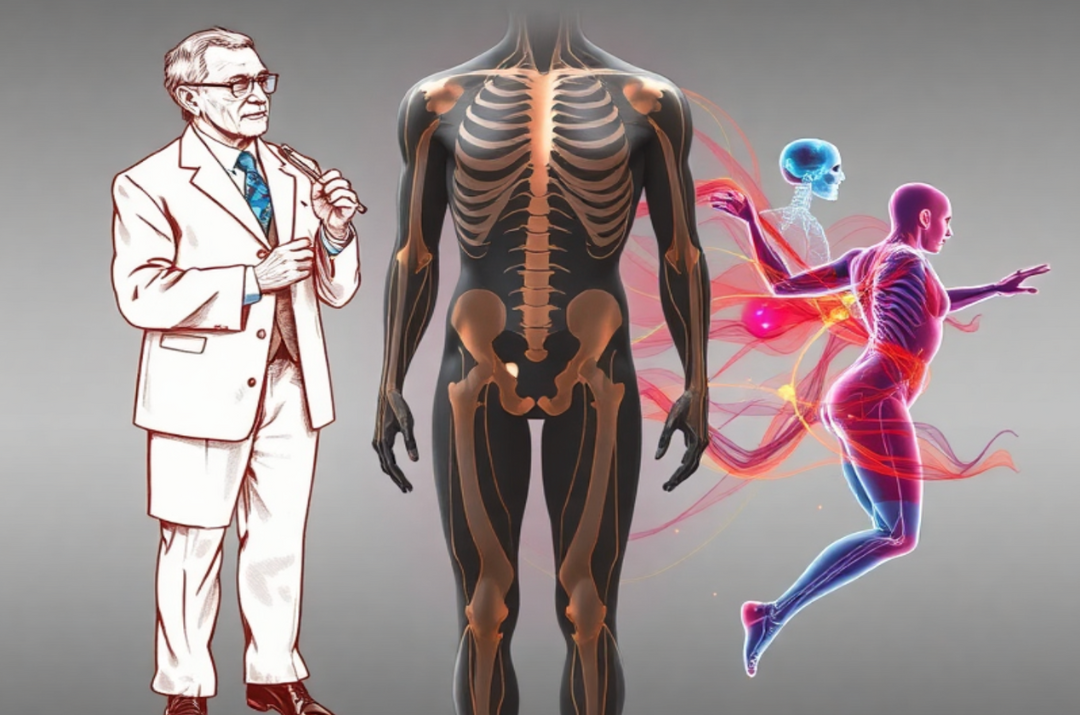
In today’s sports performance world, we often focus on developing more power, speed, and muscle. But what happens when that “engine” outpaces the body’s ability to support it? Just like dropping a Bugatti engine into a Toyota Camry, building brute strength without reinforcing the fascia—the body’s “chassis”—can lead to breakdowns. Enter the concept of submaximal...

Born to Run, Built to Throw: What Evolution Can Teach Us About Training Fascia

Born to Run, Built to Throw: What Evolution Can Teach Us About Training Fascia

Modern humans might carry smartphones and sip protein shakes, but at our core, we’re still wired like the primal hunters who once chased antelope across the savannas of Africa. Millions of years of evolution didn’t just shape our appearance—they engineered our fascia system into a high-performance biological machine built to run, throw, and survive. Understanding...

Rethinking Movement: Why Fascia Is the Future of Performance Training

Rethinking Movement: Why Fascia Is the Future of Performance Training

For decades, our understanding of human movement has been shaped by the belief that the body works like a machine—muscles pulling on bones, levers creating motion, and isolated systems working in linear patterns. But what if this model is outdated? What if we’ve been missing the bigger picture? Enter fascia: the body’s interconnected, intelligent tissue...

Fascia 101: The Tissue That Holds Us Together (and So Much More)

Fascia 101: The Tissue That Holds Us Together (and So Much More)

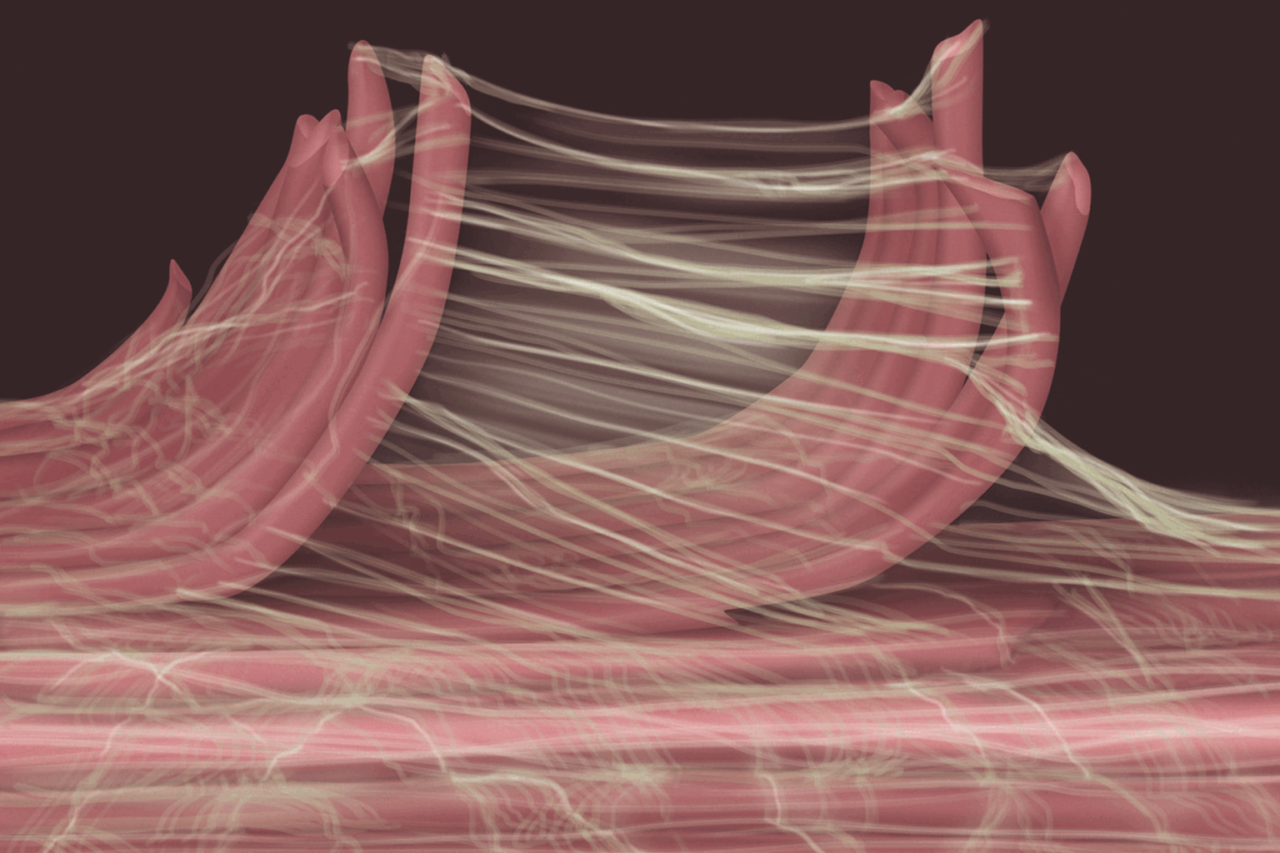
If you’ve ever carved a roast or trimmed meat in the kitchen, you’ve probably seen fascia, the silvery-white stuff you usually cut off and toss. But don’t be fooled by how unassuming it looks. Fascia is more than a passive wrapping; it’s an active, dynamic tissue system that plays a starring role in movement, stability,...

Understanding Davis’s Law and Fascia

Understanding Davis’s Law and Fascia

Introduction to Davis’s Law Simply put, according to Davis’s Law, fascial tissue continuously remodels itself. This remodeling is carried out by thousands of tiny fibroblast cells that produce triple-helix strands of collagen. This law essentially means that the network of your body-wide fascia system is constantly remodeling itself based on your movements, loading patterns, diet,...

Building Stronger Fascia

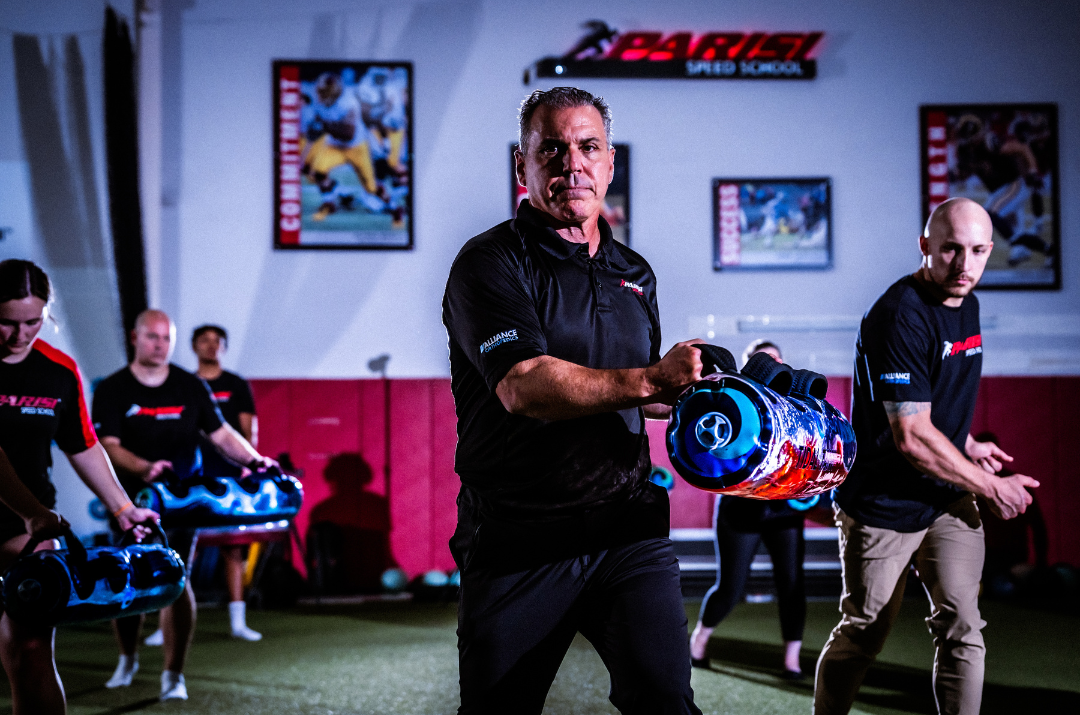
When you do omni-directional sub-maximal loading, you create layers of fascia around muscles and joints that just give it more stability and integrity. When the body senses more stability and integrity around it, it allows higher recruitment patterns, which results in more strength.